
Introduction
When it comes to recovering from injuries or managing chronic pain, physiotherapy plays a crucial role in restoring mobility and functionality. Finding the best physiotherapy clinic can significantly impact the effectiveness and efficiency of your rehabilitation journey. In this article, we will explore the key factors to consider when choosing the best physiotherapy clinic and the benefits it can offer.
Understanding the Role of Physiotherapy
Physiotherapy, also known as physical therapy, is a specialised healthcare discipline that focuses on restoring and maintaining physical function and mobility. Qualified physiotherapists use various techniques and exercises to help patients recover from injuries, manage pain, and improve overall physical well-being.
Qualities of the Best Physiotherapy Clinic
Experienced and Specialized Therapists
The best physiotherapy clinics employ therapists with extensive experience and expertise in treating a wide range of conditions. These therapists are often specialised in specific areas, such as sports injuries, orthopaedics, or neurology, ensuring personalised care for each patient.
Comprehensive Assessment Techniques
Before commencing any treatment, the top clinics conduct thorough assessments to identify the root cause of the issue. This may involve analysing a patient’s medical history, conducting physical examinations, and performing diagnostic tests if necessary.
Customised Treatment Plans
Each patient’s condition is unique, and the best physiotherapy clinics tailor treatment plans to address individual needs. Personalised treatment ensures that patients receive the most effective care for their specific conditions.
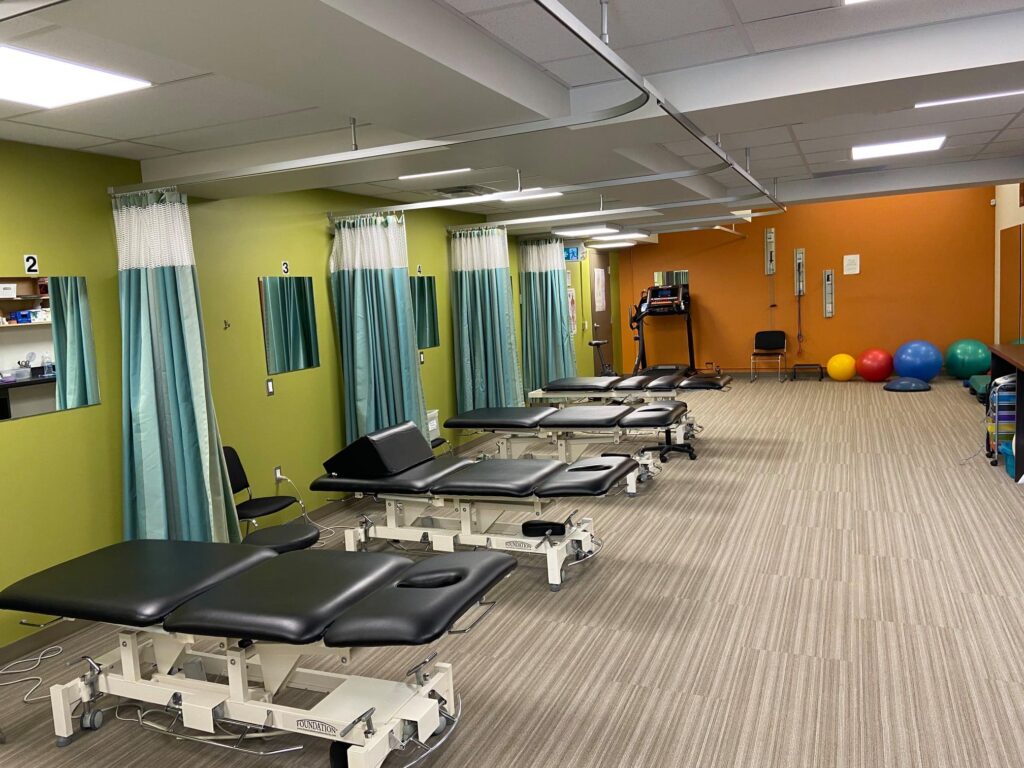
State-of-the-art Facilities and Equipment
Modern physiotherapy clinics invest in advanced equipment and technologies to provide cutting-edge treatments. Access to state-of-the-art facilities enhances the quality and efficiency of rehabilitation services.
Positive Testimonials and Reviews
Reputation matters, and the best clinics boast positive testimonials and reviews from satisfied patients. Reading about others’ successful experiences can instil confidence and trust in potential patients.
Choosing the Right Clinic for Your Needs
When selecting the best physiotherapy clinic for your needs, several factors come into play.
Location and Accessibility
Consider choosing a clinic that is conveniently located and easily accessible from your home or workplace. This ensures that attending regular sessions is not a burden.
Insurance Coverage and Payment Options
Check if the clinic accepts your health insurance or offers flexible payment plans. This way, you can focus on your recovery without worrying about financial constraints.
Personal Connection and Comfort
A good rapport with your physiotherapist is essential for effective treatment. Look for a clinic where you feel comfortable and supported throughout your rehabilitation journey.
Range of Services Offered
Opt for a clinic that provides a wide range of services, including manual therapy, exercise programs, and specialised treatments, so you can access all the care you need in one place.
Availability and Scheduling
Find out about the clinic’s availability and scheduling options to ensure that you can book appointments that fit your daily routine.
The Impact of Physiotherapy on Different Conditions
Physiotherapy can have a profound impact on various conditions, including:
Sports Injuries
Whether you’re a professional athlete or a weekend warrior, physiotherapy can help you recover from sports-related injuries and improve athletic performance.
Orthopaedic Conditions
Physiotherapy is effective in treating orthopaedic conditions like arthritis, joint pain, and fractures, enhancing joint mobility and reducing pain.
Neurological Disorders
Patients with neurological conditions such as stroke or multiple sclerosis benefit from physiotherapy’s ability to improve balance, coordination, and muscle strength.
Post-Surgery Rehabilitation
Physiotherapy plays a vital role in post-surgery recovery by promoting healing, preventing complications, and restoring function.
The Road to Recovery: What to Expect
The journey to recovery through physiotherapy typically involves several stages:
Initial Assessment and Diagnosis
Your physiotherapist will assess your condition, identify areas that need improvement, and establish goals for your treatment plan.
Treatment Sessions and Modalities
Treatment sessions will involve various modalities, such as exercises, manual therapy, and specialised techniques tailored to your condition.
Home Exercises and Self-Care Tips
Your therapist will provide you with exercises and self-care tips to continue progress between sessions and maintain your well-being.
Monitoring Progress and Adjusting the Plan
The therapist will closely monitor your progress and make necessary adjustments to the treatment plan as needed to optimise results.
Beyond the Clinic: Incorporating Physiotherapy into Daily Life
Physiotherapy extends beyond the clinic walls. Here are some ways to incorporate it into your daily life:
Ergonomics and Posture
Maintaining good posture and ergonomic practices can prevent injuries and improve overall well-being.
Injury Prevention Techniques
Learning techniques to prevent injuries during physical activities is essential for long-term health.
Nutrition and Hydration
Proper nutrition and hydration play a crucial role in supporting the body’s healing processes
Regular Exercise and Activity
Staying physically active and engaging in regular exercise can aid in rehabilitation and overall health.
Advancements in Physiotherapy Techniques
Physiotherapy continues to evolve, incorporating advanced techniques to improve patient outcomes:
Manual Therapy and Manipulation
Hands-on techniques, such as joint mobilisation and soft tissue manipulation, help improve mobility and reduce pain.
Electrical Stimulation
Electrical stimulation is used to stimulate nerves and muscles, aiding in muscle re-education and pain management.
Ultrasound and Laser Therapy
These modalities promote tissue healing, reduce inflammation, and alleviate pain.
Aquatic Physiotherapy
Exercising in water provides buoyancy and resistance, making it an excellent option for low-impact rehabilitation.
The Importance of Patient Education and Empowerment
Patient education and empowerment are integral to the success of physiotherapy treatment:
Understanding the Body's Mechanics
Educating patients about their condition and how physiotherapy can help empowers them to take an active role in their recovery.
Setting Realistic Goals
Setting achievable goals ensures that patients stay motivated and committed to their treatment plans.
Adhering to Treatment Plans
Compliance with the prescribed exercises and treatments accelerates the recovery process.
Managing Expectations
Understanding that progress may take time helps patients stay positive and focused on the path to recovery.
Overcoming Challenges in Physiotherapy
While physiotherapy offers numerous benefits, challenges may arise:
Dealing with Pain and Discomfort
The road to recovery may involve some discomfort, but open communication with your therapist can help manage pain effectively.
Staying Motivated Throughout the Process
Rehabilitation takes time, and staying motivated during challenging phases is crucial for success.
Handling Setbacks and Plateaus
Plateaus are a natural part of the recovery process, and working through them with determination is essential.
Conclusion
Choosing the best physiotherapy clinic is a significant decision that can greatly impact your path to recovery. Look for experienced therapists, personalised treatment plans, state-of-the-art facilities, and positive patient testimonials. Remember to consider factors like location, insurance coverage, and personal comfort to ensure a smooth and successful rehabilitation journey.